




Plastic & Plastic Pipes Testing Machine
Plastic material and pipe lab testing equipment includes impact testers (ISO 179/ASTM D256), ring stiffness testers (ISO 9969), pressure burst testers (ASTM D1599/ISO 1167), melt flow indexers (ISO 1133), and Vicat softening point testers (ISO 306). These instruments ensure compliance with global standards for mechanical, thermal, and pressure resistance properties of plastic materials and pipes.
Plastic & Plastic Pipes Testing Machine
Plastic Pipe Hydrostatic Pressure Tester is suitable for determining the instantaneous hydraulic burst and long-term constant pressure resistance time of various fluid transport plastic pipes. It is an essential testing instrument for research institutes, quality inspection departments, and pipe manufacturers.
It confirms to ASTM D1598-2004, ASTM D1599 and IS0 1167-2006.
ASTM D1598-2004 Standard Test Method for Time-to-Failure of Plastic Pipe under Constant
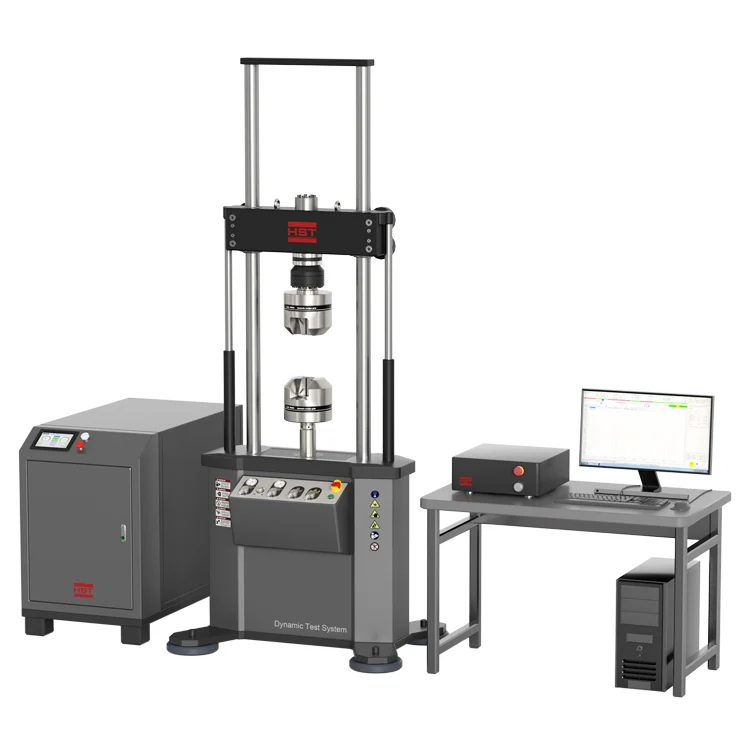
Experiential Materials Mechanics Testing
This multi-station Pipe Pressure Burst Testing Machine is engineered for plastic pipes, enabling efficient simultaneous testing of multiple samples to assess pressure resistance. It serves as a critical tool for manufacturers and quality control sectors.
With a customizable pressure range of 10-25Mpa, the machine adapts to varied testing demands, allowing precise adjustments to meet specific industry standards or project requirements.
It accommodates pipe diameters from 16mm to 1000mm, paired with tailored constant temperature water tanks and end caps based on the pipe size, ensuring optimal testing conditions and reliable data.
Additionally, the machine supports American standard size pipes, expanding its applicability for global markets and aligning with international testing protocols.
Other products
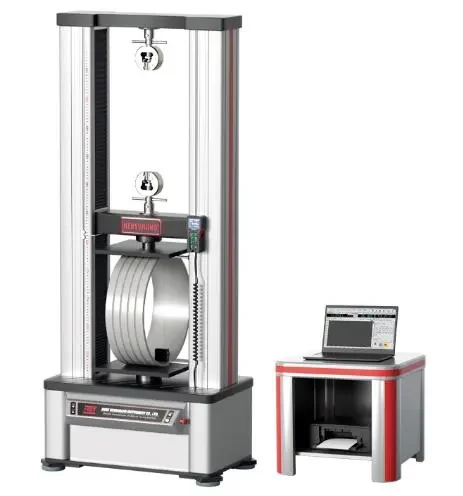
HGW Series Pipe Ring Stiffness Testing Machine
Ring Stiffness Testing machine is used to determine the ring stiffness of thermoplastics pipes having a circular cross section. It is widely applied in ferrous metallurgy, construction and building materials, aerospace, machine manufacturing, wire and cable, rubber and plastics, textile, household appliance and other industries, and also research institution, colleges & universities, industrial and mining enterprises and other departments.
Standard:
ASTM D2412, D638, D695,ISO 9969, ISO9967, ISO6892,ect.
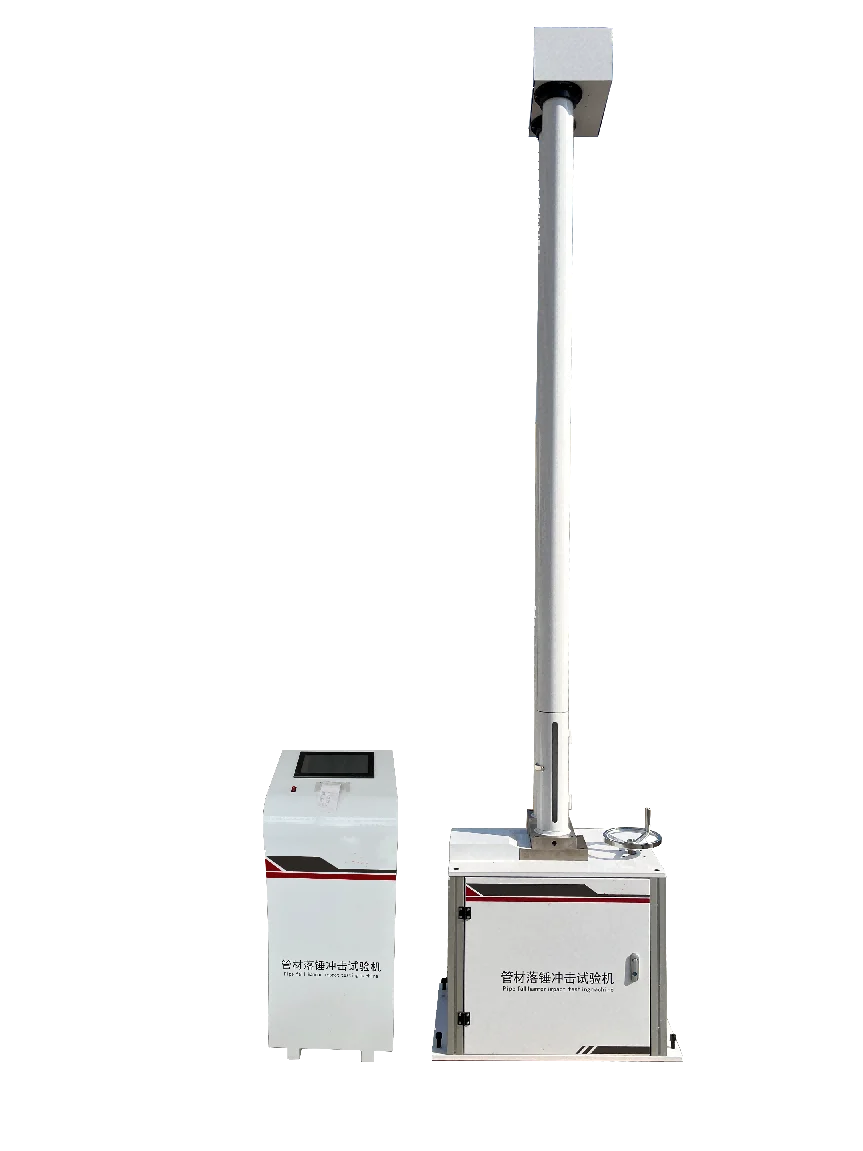
HST-DIT Series Pipe Falling Weight Impact Tester
The machine is mainly used to determine the resistance to external blows of the thermal plastics pipes of circular cross section.Test pieces are subject to blow from a falling striker,of specified mass and shape,dropped from a known height onto specified positions around the circumference of the test piece.The true impact rate of the batch,or production run from an extruder,is estimated.The maximum value acceptable for the TIR is taken to be 10%.There are two test methods: round-the-clock method and staircase method.
Standard:
ISO3127,BS EN1411,BS EN744,ASTM D2444 and the equivalent.
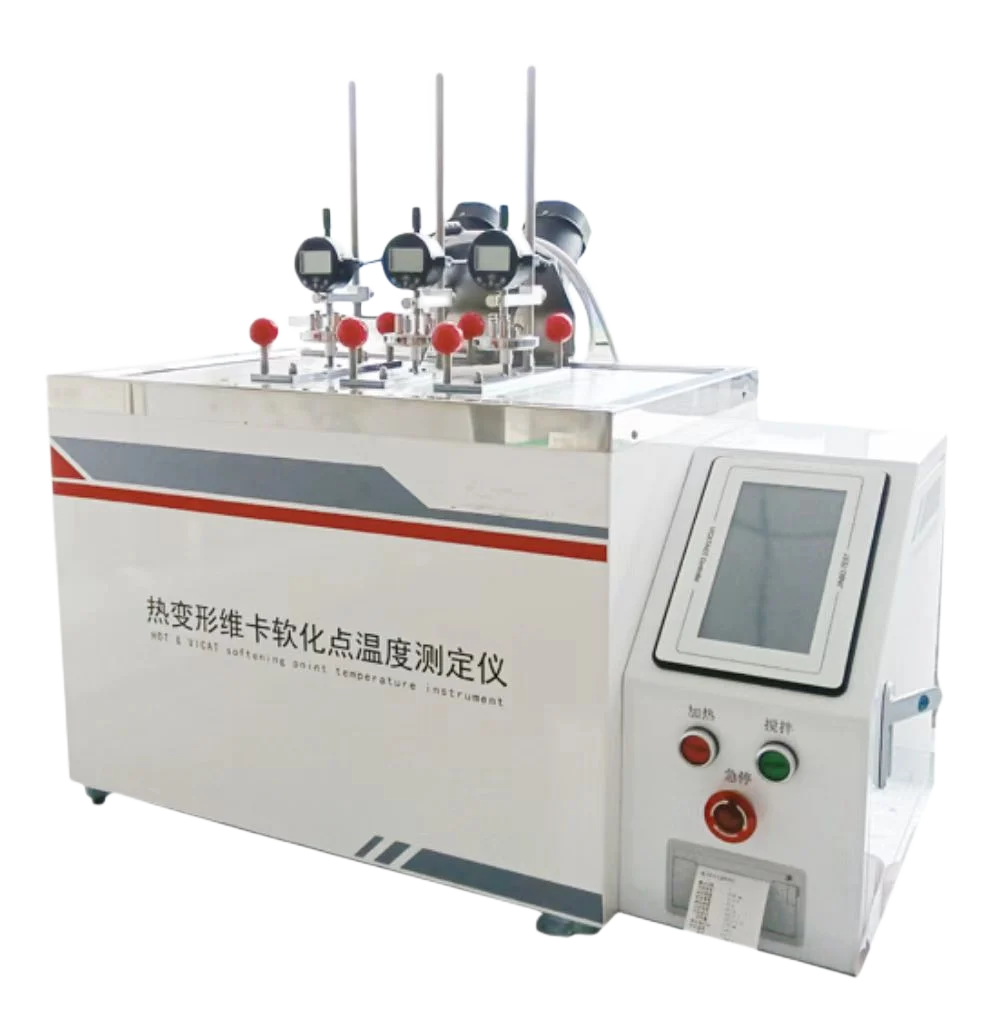
HST-HDTV Series Plastics HDT Vicat Softening Temperature Test Point Tester
HDT & Vicat Softening Point Testers is designed for precise Heat Deflection Temperature (HDT) and Vicat Softening Point (Vicat) testing, ensuring compliance with international standards for plastics and polymer materials. Available in 2, 3, or Multi-station configurations,these advanced
instruments provide efficient and accurate thermal performance analysis for research and quality control applications.
Standard:
- ISO 75-Heat Deflection Temperature
- ISO 306-Vicat Softening Point
- ASTM D1525-Vicat Softening Point
- ASTM D648-HDT Testing
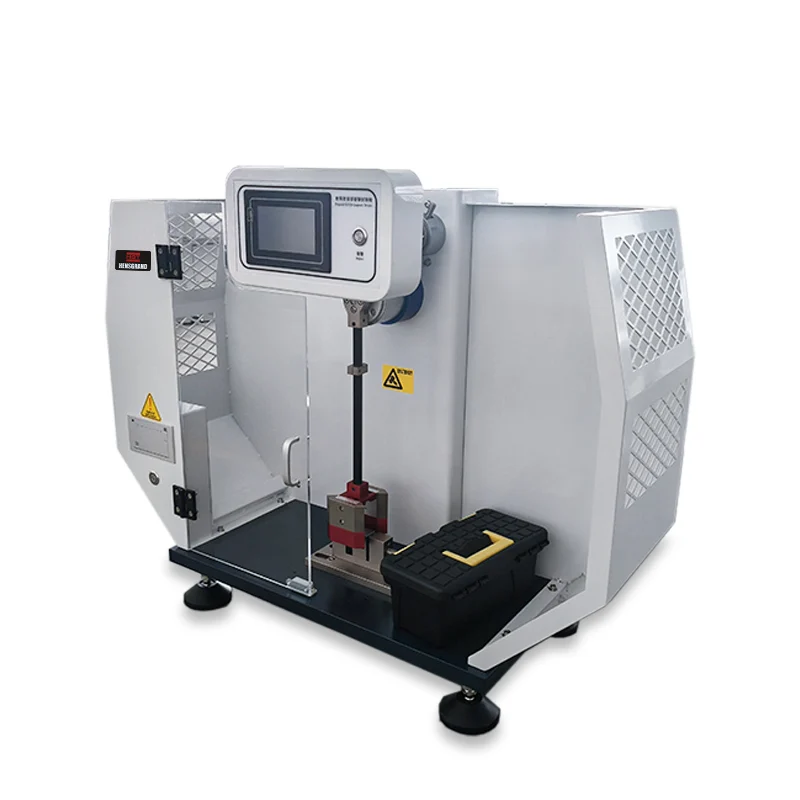
HST-XJXD-T Touch Screen Charpy & Izod Impact Testing Machine
This instrument is mainly used for the determination of the impact toughness of non-metallic materials such as rigid thermoplastic molding and extrusion materials, rigid thermosetting molding materials, and fiber-reinforced thermosetting and thermoplastic composite materials.
Standard:
ISO180, ISO179, ISO8256,ASTMD256,GB/T1043,GB/T1843
HST-XNR-400CT/DT Touch Screen MFI Melt Flow Indexer
This series high-precision melt flow rate instrument tester, used for testing all kinds of plastic, resin in the state of viscous flow through a certain temperature and load, every 10 min module and melt flow rate through the standard port MFR value, it is suitable for high temperature of polycarbonate, aromatic sulfone, fluorine plastics, nylon engineering plastics, can also be applied to polyethylene (PE), polystyrene (PS), polypropylene (PP), ABS resin, polyformaldehyde (POM), polycarbonate (PC) resin with lower melting temperature, such as plastic test, widely used in plastic production, plastic products, petrochemical industry and related colleges and universities.
Standard:
It meets GB/T3682-2000,ISO 1133: 1997 ,ASTM D1238,ect
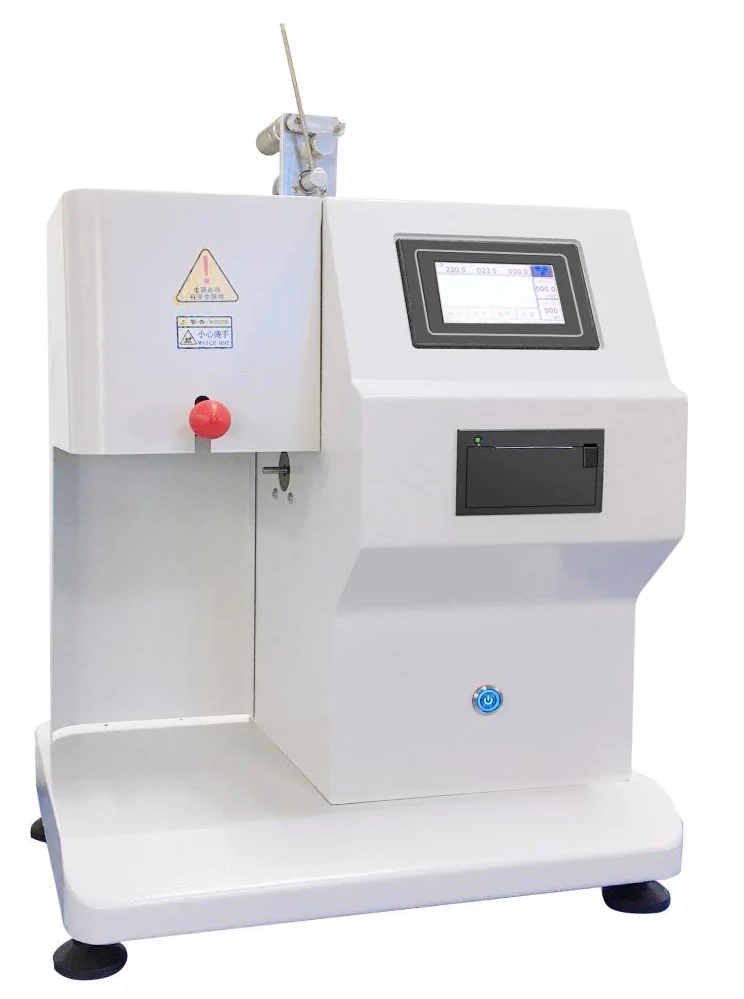
Plastic & Plastic Pipes Testing Machine Model Selection
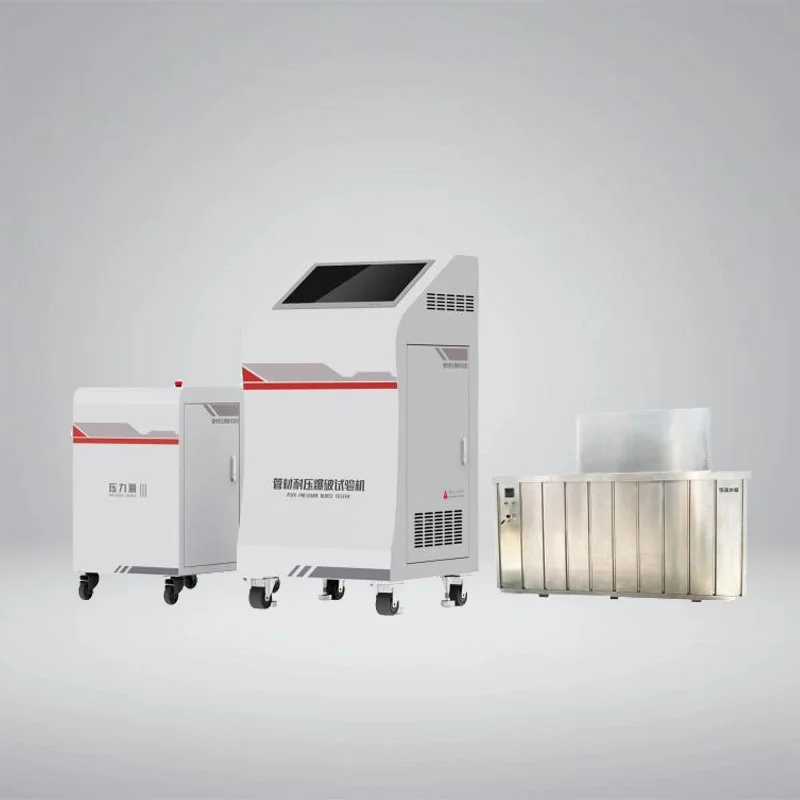
HST-XG-T Plastic Pipe Hydrostatic Pressure and Burst Tester
Model
- HST-XG10T,Pressure range:10Mpa
- HST-XG16T,Pressure range:16Mpa
- HST-XG25T,Pressure range:25Mpa
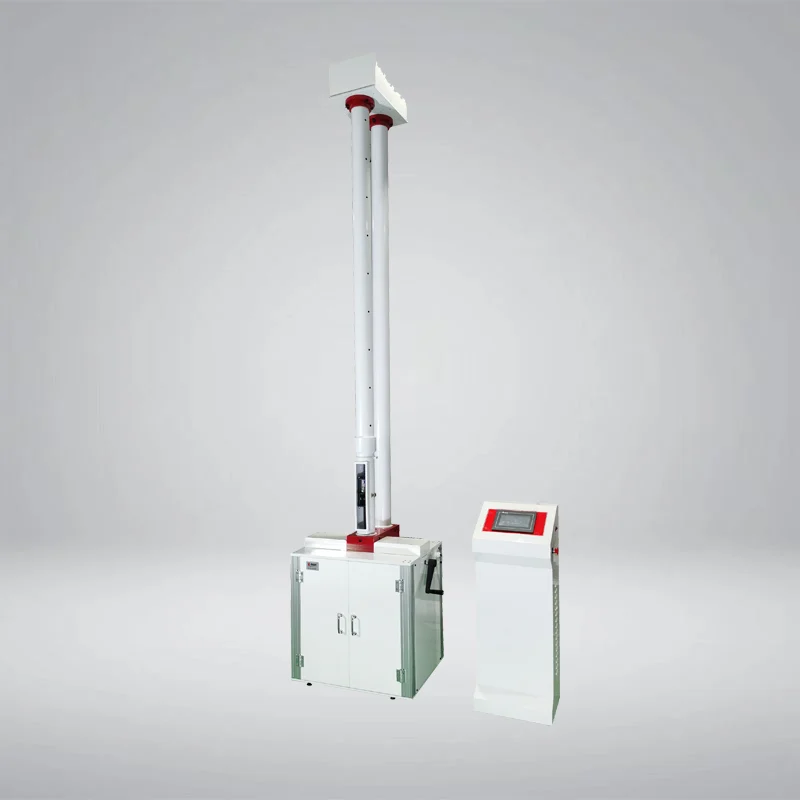
HST-DIT-B Pipe Falling Weight Impact Tester
The tester is mainly used to determine the resistance to external blows of the thermal plastics pipes of circular cross section.Test pieces are subject to blow from a falling striker,of specified mass and shape,dropped from a known height onto specified positions around the circumference of the test piece.The true impact rate of the batch,or production run from an extruder,is estimated.The maximum value acceptable for the TIR is taken to be 10%.There are two test methods: round-the-clock method and staircase method.
Model
- HST-DIT500B,Maximum impact energy:300J,Test Specimen diameter:φ10-φ500
- HST-DIT630B,Maximum impact energy:300J,Test Specimen diameter:φ10-φ630
- HST-DIT800B,Maximum impact energy:300J,Test Specimen diameter:φ10-φ800
- HST-DIT1000B,Maximum impact energy:300J,Test Specimen diameter:φ10-φ1000
- HST-DIT3000B,Maximum impact energy:400J,Test Specimen diameter:φ10-φ3000
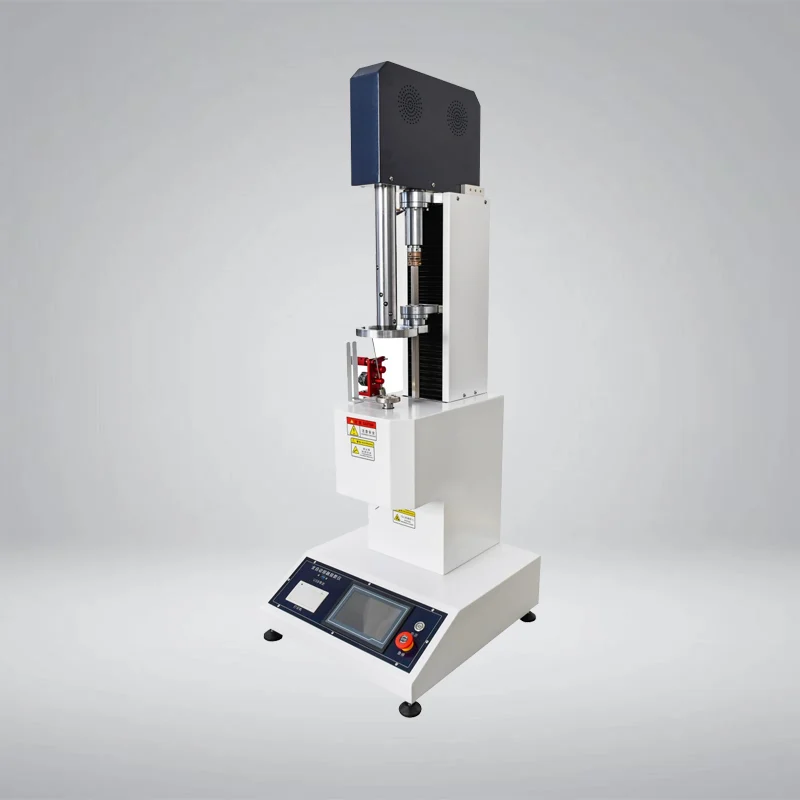
HST-XNR-400EA Touch Screen Automatic MFI Melt Flow Indexer
This series high-precision melt flow rate instrument tester, used for testing all kinds of plastic, resin in the state of viscous flow through a certain temperature and load, every 10 min module and melt flow rate through the standard port MFR value, it is suitable for high temperature of polycarbonate, aromatic sulfone, fluorine plastics, nylon engineering plastics, can also be applied to polyethylene (PE), polystyrene (PS), polypropylene (PP), ABS resin, polyformaldehyde (POM), polycarbonate (PC) resin with lower melting temperature, such as plastic test, widely used in plastic production, plastic products, petrochemical industry and related colleges and universities.
Model
- HST-XNR-400EA,Test method:MFR&MVR,Touch screen display,Manual and automatic cutting,Temperature range:40~450℃
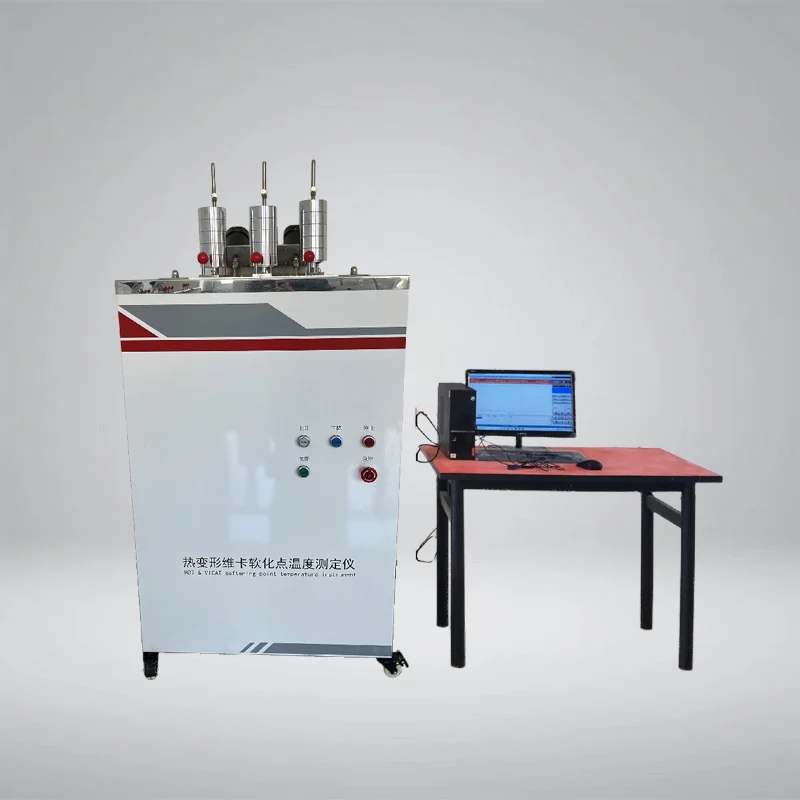
HST- HDTV Series Computer control HDT / Vicat Softening Point Temperature Tester
HDT & Vicat Softening Point Testers is designed for precise Heat Deflection Temperature (HDT) and Vicat Softening Point (Vicat) testing, ensuring compliance with international standards for plastics and polymer materials. Available in 2, 3, or 4-station configurations,these advanced
instruments provide efficient and accurate thermal performance analysis for research and quality control applications.
Model
- HST-HDTV3003S,Control Interface:LCD display;Sample Frame:Manual; Temperature range:RT~300℃
- HST-HDTV3003T,Control Interface:Touch screen;Sample Frame:Manual; Temperature range:RT~300℃
- HST-HDTV3003WF,Control Interface:PC control;Sample Frame:Automatic; Temperature range:RT~300℃
What Can Our Plastic & Plastic Pipes Testing Machine Measure?
Determining the time to failure of thermoplastic pipes under instantaneous hydraulic burst and long-term constant pressure.
Determination of heat distortion temperature and Vicat softening point temperature of non-metallic materials
Determine the ring stiffness of thermoplastics pipes having a circular cross section
Determination of impact toughness of plastic pipes and other pipe materials
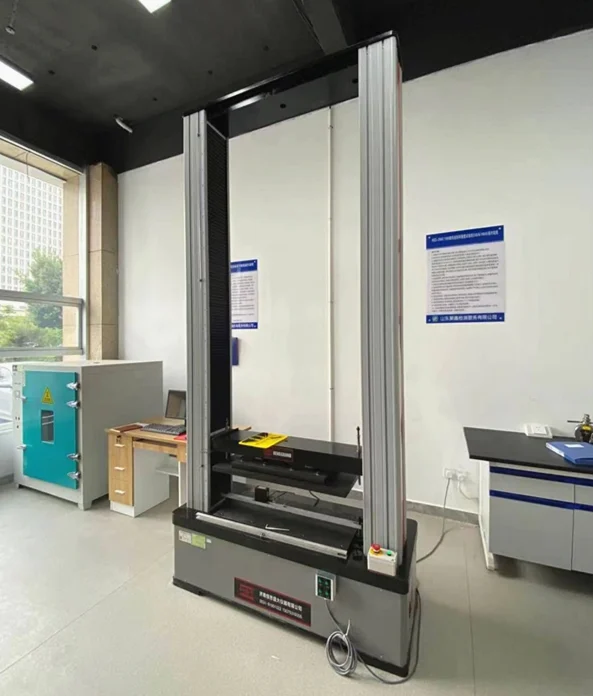
Application Cases of Plastic & Plastic Pipes Testing Machine
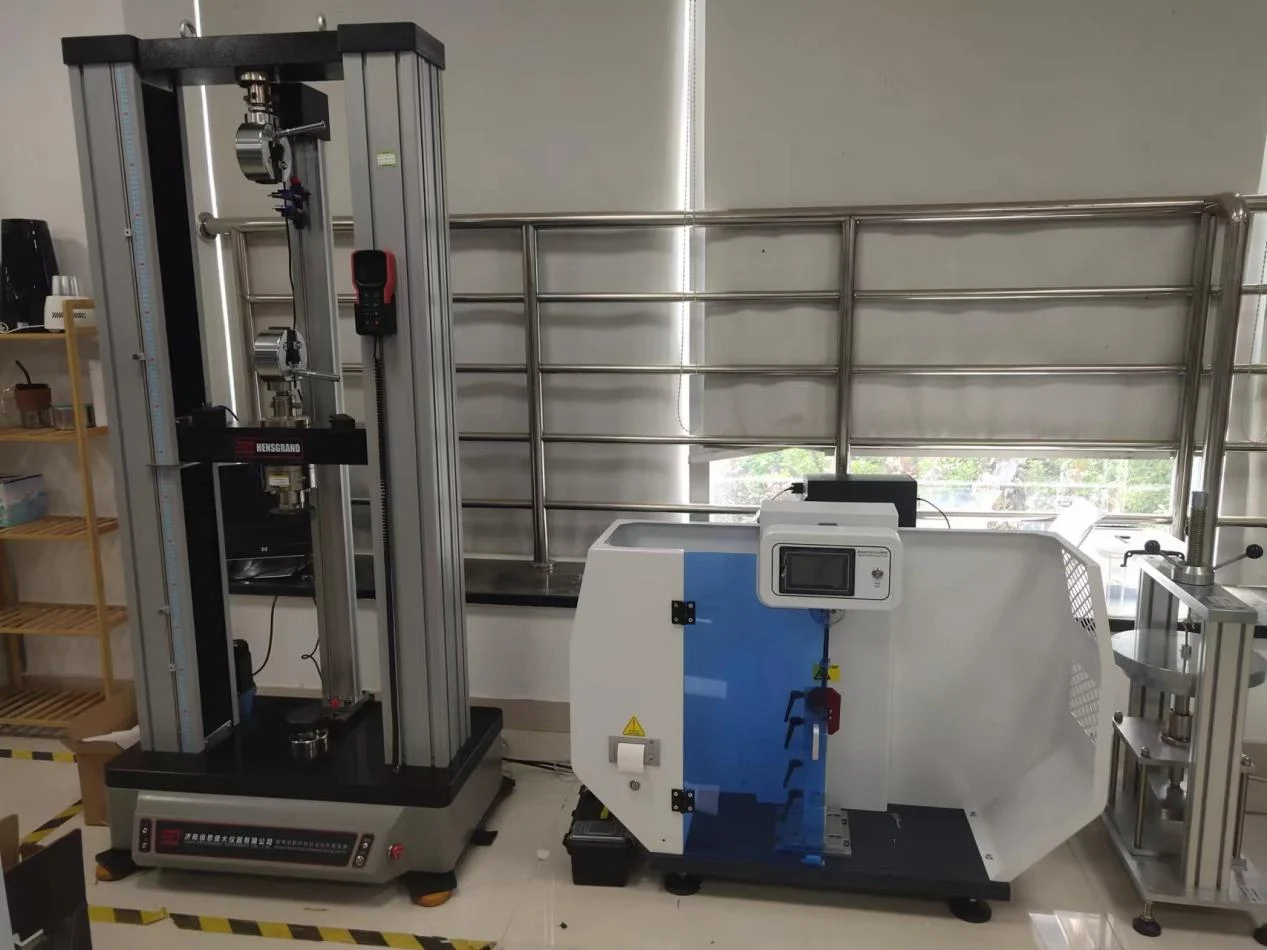
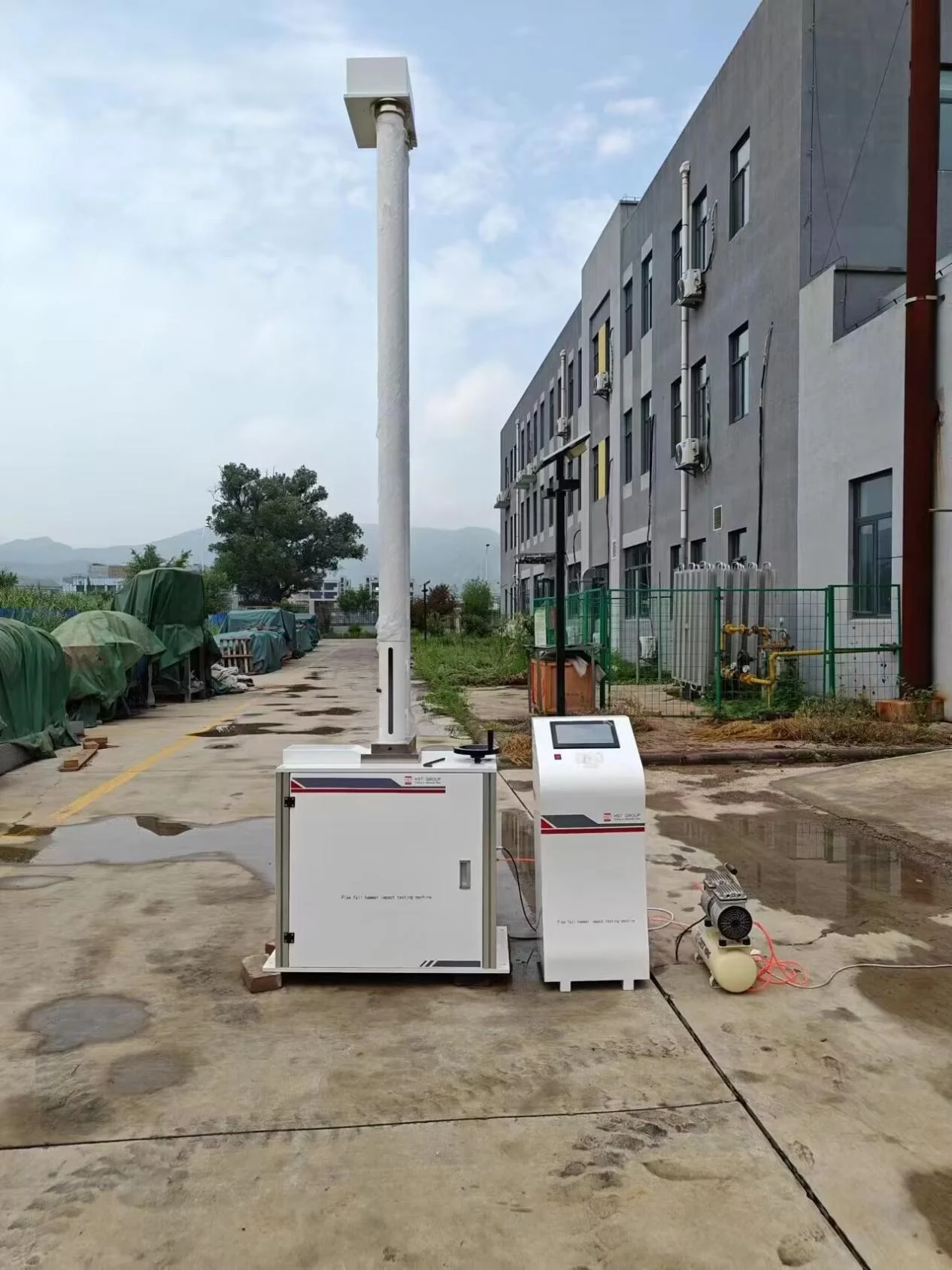
Feedback on HST-DIT630 Pipe Drop Hammer Impact Tester (Ambient Temperature)
General FAQs
Testing Equipment for Plastic Materials, Plastic Pipes, and Rubber Laboratories
Q1: What are the main categories of testing equipment used in plastic and rubber laboratories?
A1: Plastic and rubber laboratories typically use equipment across several core categories, including:
- Mechanical property testing(e.g., tensile testers, impact testers)
- Thermal property testing(e.g., DSC, TGA)
- Melt flow and viscosity testing(e.g., melt flow indexers)
- Hardness and density testing(e.g., durometers, density meters)
- Environmental resistance testing(e.g., UV aging chambers, salt spray test chambers)
- Plastic pipe-specific testing(e.g., ring stiffness testers, falling weight impact testers)
- Chemical composition analysis(e.g., FTIR, GC-MS)
- Dimensional measurement(e.g., calipers, optical projectors)
- Flammability testing(e.g., oxygen index testers, vertical burning testers).
Q2: What is a tensile testing machine, and why is it essential for plastic materials?
A2: A tensile testing machine (tensile tester) measures the mechanical properties of materials under tension. For plastics and rubber, it quantifies critical parameters like tensile strength, yield strength, elongation at break, and modulus of elasticity. This data ensures materials meet application requirements (e.g., load-bearing capacity for plastic pipes).
Q3: Which equipment is used to test the impact resistance of plastic pipes?
A3: Falling weight impact testers are widely used for plastic pipes. They simulate sudden impact loads (e.g., from falling objects) by dropping a weighted hammer onto pipe samples, measuring failure probability at specified temperatures (e.g., -20°C for cold-impact resistance).
Q4: What does a melt flow indexer (MFI) measure, and when is it used?
A4: An MFI measures the melt flow rate (MFR) or melt volume rate (MVR) of thermoplastic materials under controlled temperature and pressure. It indicates material viscosity and processability, critical for quality control in plastic extrusion (e.g., pipe manufacturing) and resin selection.
Q5: How do differential scanning calorimetry (DSC) and thermogravimetric analysis (TGA) support plastic testing?
A5: – DSC detects phase transitions (e.g., melting point, glass transition temperature Tg) and thermal stability, helping assess material performance under temperature changes.
- TGAmeasures weight loss vs. temperature, identifying decomposition temperatures, filler content, and thermal degradation behavior—vital for high-temperature applications (e.g., automotive plastics).
Q6: What equipment tests the ring stiffness of plastic pipes?
A6: A ring stiffness tester applies radial pressure to pipe samples to measure their resistance to deformation. It ensures pipes can withstand external loads (e.g., soil pressure in underground installations) and complies with standards like ISO 9969 or ASTM D2412.
Q7: Which tools analyze the chemical composition of plastic or rubber materials?
A7: Fourier Transform Infrared Spectroscopy (FTIR) identifies functional groups and polymer types (e.g., PE vs. PVC) via infrared absorption. Gas Chromatography-Mass Spectrometry (GC-MS) analyzes volatile organic compounds (VOCs) or additives (e.g., plasticizers, antioxidants) for regulatory compliance (e.g., REACH, RoHS).
Q8: How is hardness measured in rubber and plastic materials?
A8: Durometers are standard:
- Shore A durometerfor soft rubbers and flexible plastics (e.g., elastomers).
- Shore D durometerfor hard plastics (e.g., rigid PVC pipes).
Some labs also use Rockwell hardness testers for rigid thermoplastics.
Q9: What equipment evaluates environmental durability of plastics and rubber?
A9: – UV aging chambers simulate sunlight exposure to test weathering resistance (e.g., color fading, brittleness).
- Salt spray test chambersassess corrosion resistance of plastic-coated or metal-reinforced pipes.
- Ozone testersevaluate rubber degradation under ozone exposure (critical for automotive seals).
Q10: Are there international standards governing plastic testing equipment?
A10: Yes. Key standards include ISO (e.g., ISO 527 for tensile testing), ASTM (e.g., ASTM D638 for plastics), and GB (Chinese national standards). Equipment must often comply with these to ensure test accuracy and result comparability.
Q11: How do labs select the right testing equipment?
A11: Selection depends on:
- Material type(e.g., rigid vs. flexible plastics, rubber).
- Test parameters(e.g., tensile strength, impact resistance).
- Industry standards(e.g., ISO, ASTM) required by clients or regulations.
- Sample size(e.g., small specimens vs. full-scale pipes).
Q12: What maintenance is required for plastic testing equipment?
A12: Regular maintenance includes:
- Calibration (e.g., tensile testers, load cells) per ISO 17025 standards.
- Cleaning (e.g., MFI dies, impact tester anvils).
- Lubrication of moving parts (e.g., in ring stiffness testers).
- Software updates for data acquisition systems.