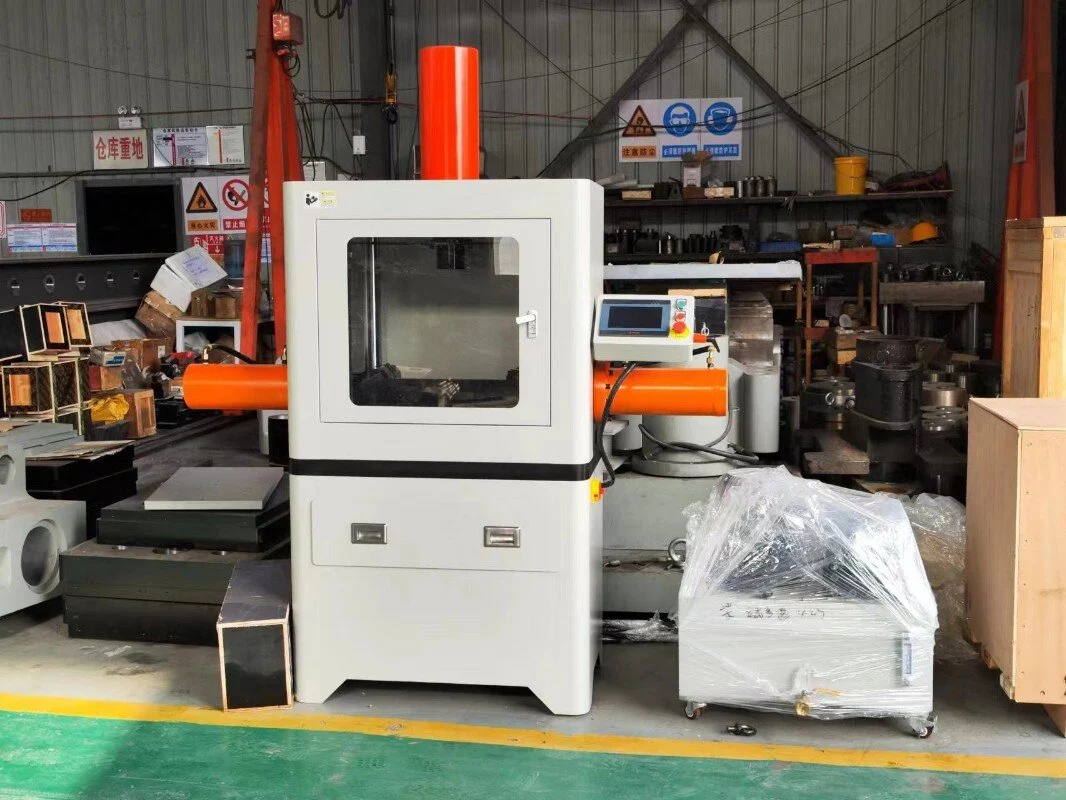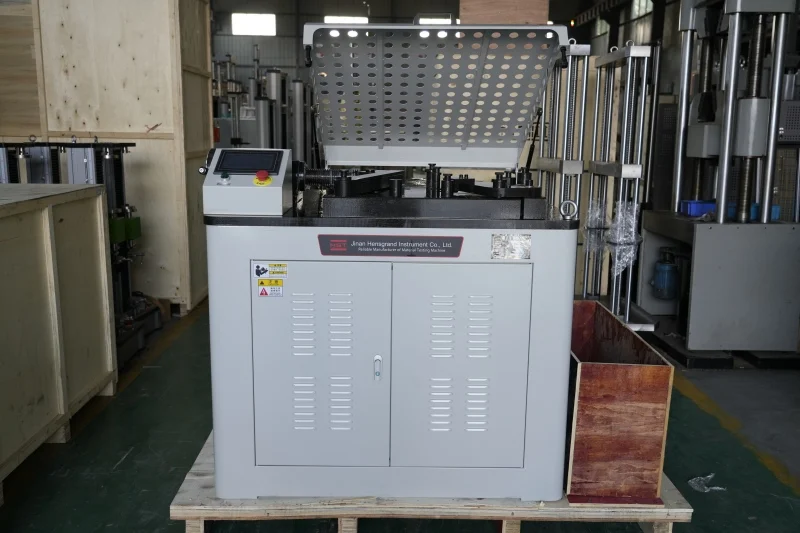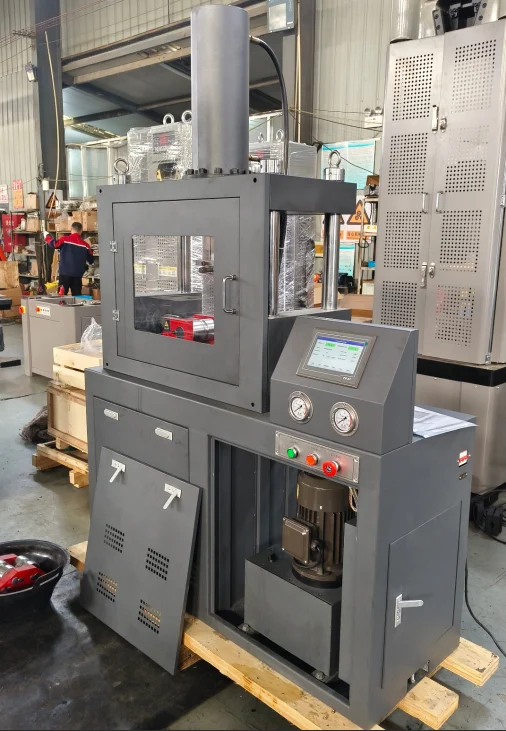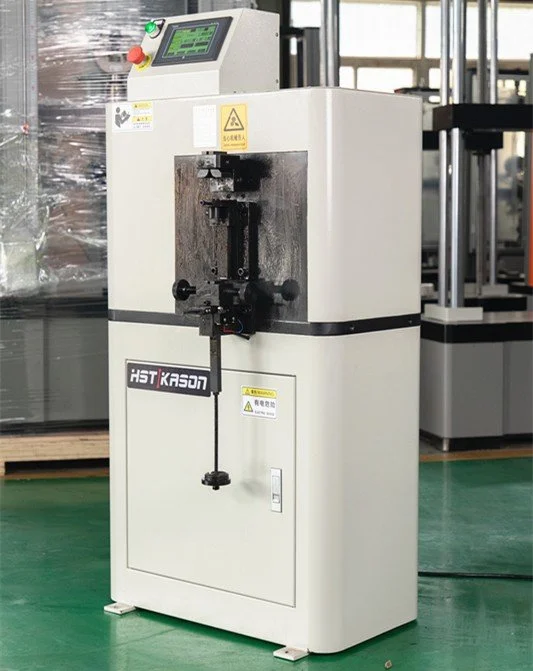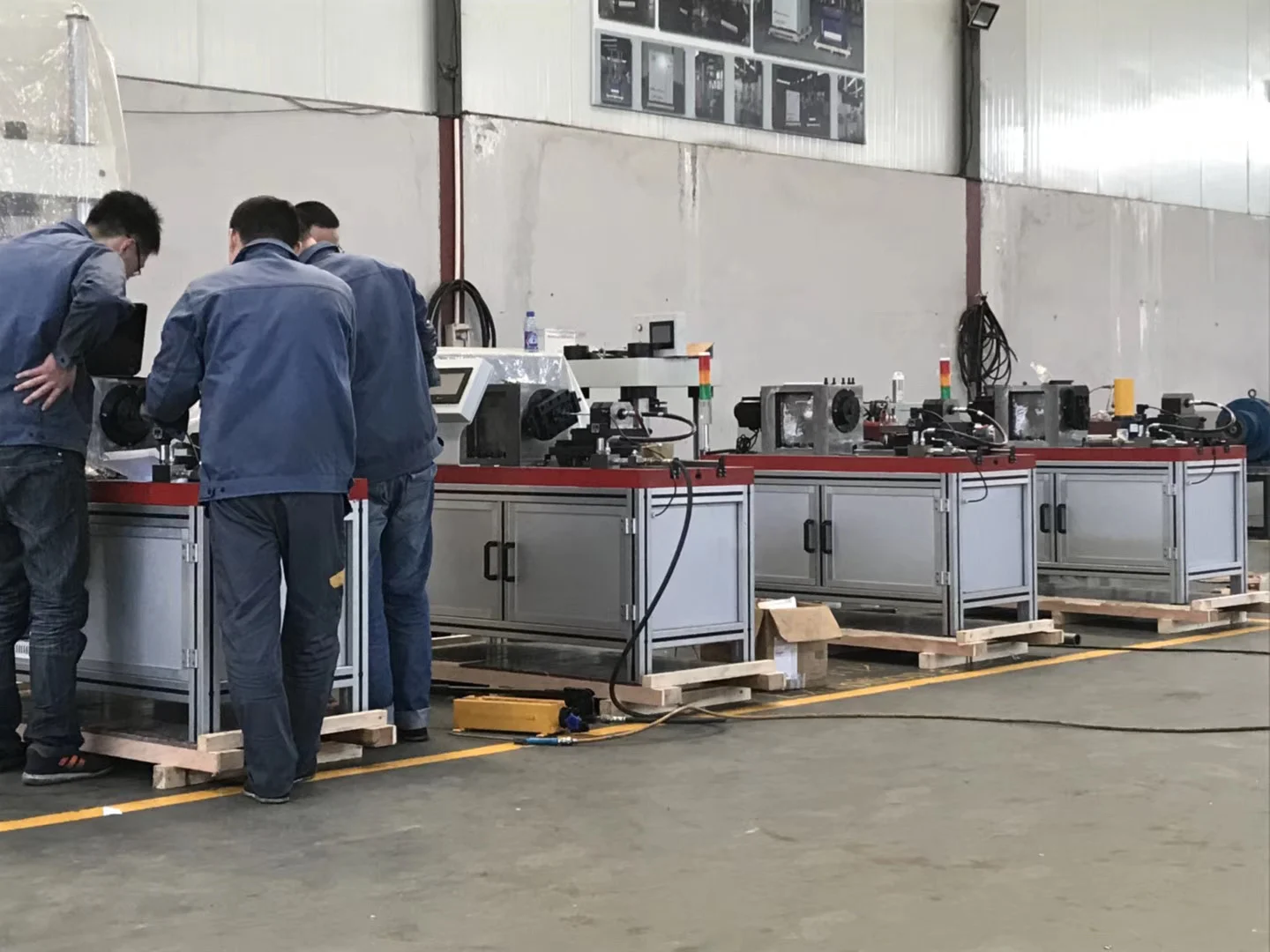






Cutting-edge servo-hydraulic fatigue testing machines are revolutionizing material performance evaluation by offering full compatibility with seven key international standards, including ASTM E399, CTOD-ASTM E1820, ISO 12135, ISO 15653, HCF-ASTM E466, LCF-ASTM E606, and FCGR-ASTM E647. Designed for aerospace, automotive, energy, and structural engineering sectors, these systems enable precise characterization of metallic and advanced composite materials under dynamic loading conditions.
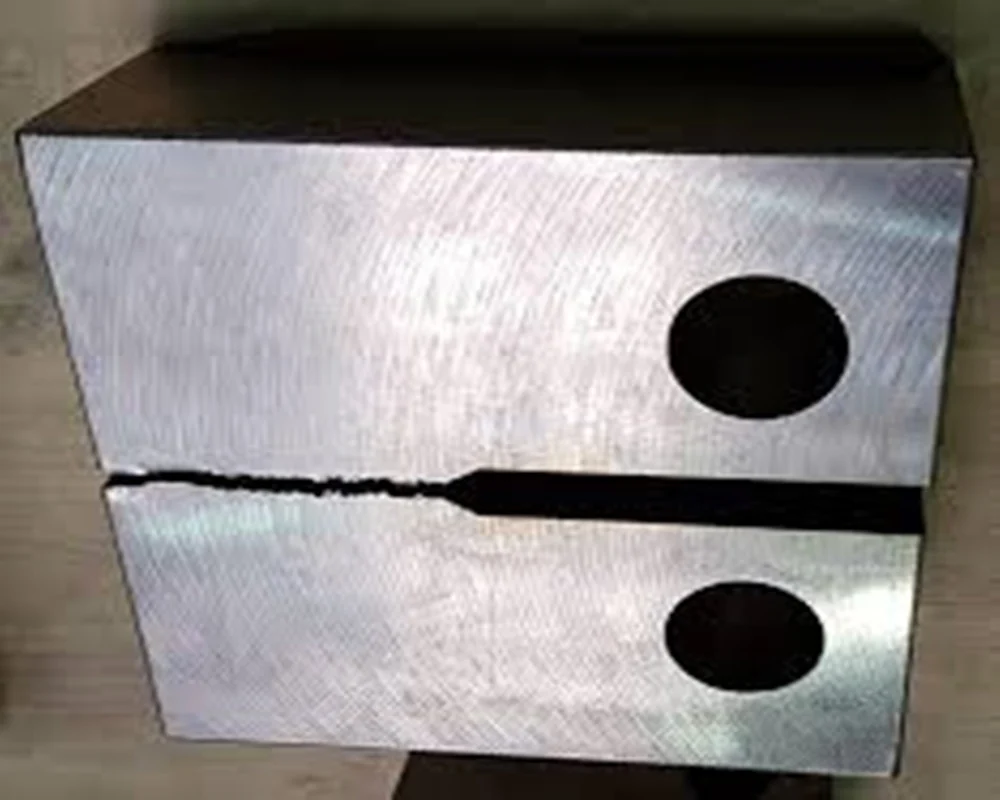
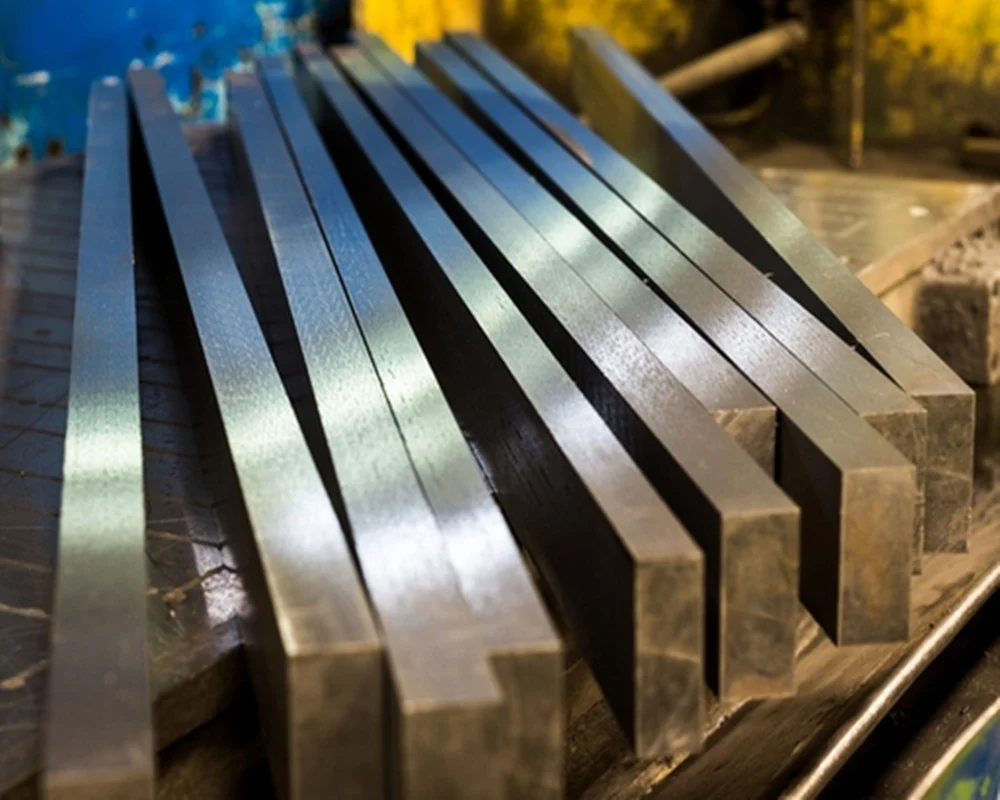
ASTM E399, the standard for linear-elastic plane-strain fracture toughness testing, provides critical KIC values that define a material’s resistance to catastrophic crack propagation under high constraint conditions . Paired with ASTM E1820— the industry benchmark for fracture toughness measurement using K, J-integral, and CTOD parameters— the testing machines deliver comprehensive data on crack initiation and propagation behavior . This combination is essential for validating structural integrity in critical applications such as pressure vessels, aircraft components, and power plant infrastructure.
For global compliance, the systems fully adhere to ISO 12135 and ISO 15653 standards. ISO 12135:2021 specifies a unified method for quasistatic fracture toughness determination, including resistance curve analysis and initiation toughness evaluation via scanning electron microscopy . Meanwhile, ISO 15653:2018 offers advanced procedures for CTOD calculation in welds, featuring updated formulae for shallow-notched specimens and clarified pop-in assessment criteria . Together, these ISO standards ensure consistent test results across international laboratories and manufacturing facilities.
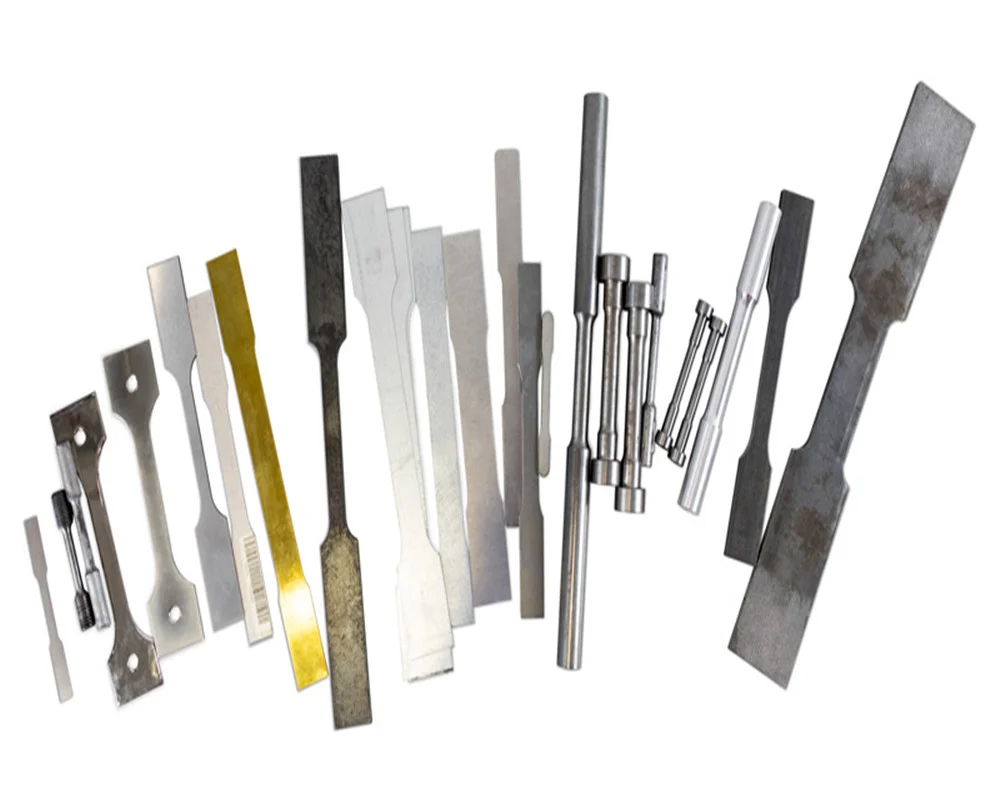
Addressing fatigue performance across the cycle spectrum, the machines support both high-cycle fatigue (HCF) and low-cycle fatigue (LCF) testing. ASTM E466 governs force-controlled HCF tests, enabling evaluation of material resistance to repeated elastic loading over 10⁵ cycles— critical for components like engine valves and structural fasteners . Complementing this, ASTM E606 provides strain-controlled LCF protocols for assessing plastic deformation-induced failure within 10⁵ cycles, with applications in fatigue-critical parts such as turbine blades and suspension components . The systems’ ability to switch between force and strain control modes ensures flexibility for diverse testing scenarios.
For crack growth rate analysis, ASTM E647 compliance allows precise measurement of fatigue crack growth rates (FCGR) using the da/dN vs. ΔK relationship . Equipped with advanced crack monitoring technologies— including digital image correlation and potential drop methods— the machines capture crack propagation data across a wide range of stress intensity factor ranges. This data, analyzed via the Paris equation, delivers actionable insights for life prediction and damage tolerance design .
Key technical features of these fatigue testing systems include servo-hydraulic actuation with 0.01-60 Hz test frequency range, ±0.5% static force accuracy, and 0.001 mm displacement resolution . Environmental simulation capabilities, such as high-temperature chambers and corrosion cells, enable testing under real-world service conditions. The systems also support multiple loading waveforms (sine, triangle, trapezoid) and loading modes (tension-tension, compression-compression, tension-compression), ensuring alignment with standard-specific requirements .
“Compliance with these seven foundational standards is a game-changer for material science and engineering,” said an industry expert. “These testing systems eliminate the need for multiple specialized machines, streamlining workflows while ensuring data integrity and regulatory compliance. From fracture toughness to fatigue life prediction, they provide a comprehensive solution for material performance validation.”As industries demand higher safety margins and longer service lives, these multi-standard fatigue testing systems are poised to become indispensable tools for research laboratories, manufacturing facilities, and quality control departments worldwide. Their ability to deliver accurate, reproducible results across diverse testing protocols reinforces their role in advancing material innovation and structural reliability.